The Allure of Gambling: What Attracts Players?
The excitement surrounding gambling in casinos often stems from a combination of thrill, escape, and social interaction. Many individuals are drawn to the vibrant atmosphere filled with flashing lights and upbeat sounds, stimulating their senses and creating an intoxicating environment. The sensory overload, designed to evoke emotions, often encourages players to stay longer and engage more deeply with the games on offer, which is where online casinos come into play as a modern alternative to traditional establishments.
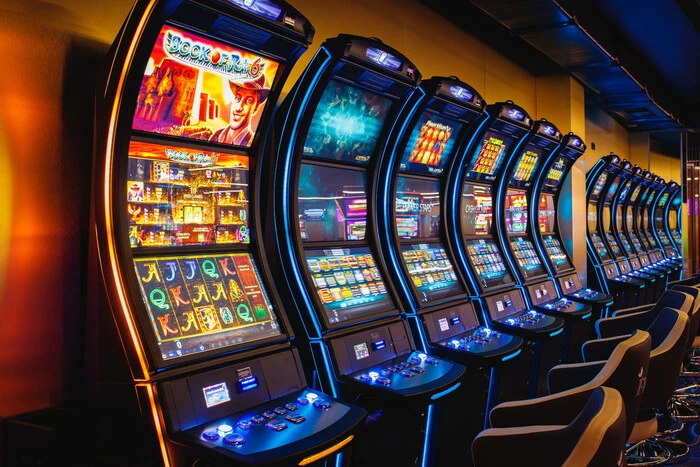
Additionally, the psychological concept of risk-taking plays a significant role in gambling appeal. For some, the notion of winning big is profoundly enticing, providing a temporary escape from reality. This allure can overshadow the potential risks, as many gamblers focus on the immediate gratification of potential rewards rather than the long-term consequences of their actions.
The Role of Cognitive Biases in Gambling Behavior
Cognitive biases heavily influence gambling decisions and behaviors. One prevalent bias is the „illusion of control,“ where gamblers believe they can influence outcomes in games of chance. This belief can lead to persistent gambling, as players often attribute wins to skill rather than luck, which reinforces their desire to play more.
Another significant cognitive bias is the „near-miss“ phenomenon. Gamblers often feel a sense of victory when they come close to winning. This experience may encourage them to continue playing, fostering a cycle of behavior where players invest more time and money in the hopes of achieving that elusive win. These biases highlight a critical psychological framework that drives gambling engagement.
The Emotional Rollercoaster of Winning and Losing
The emotional experience of gambling can be likened to a rollercoaster ride. Winning can elevate mood and provide a rush of excitement, while losing often leads to frustration and disappointment. This emotional fluctuation is a crucial element of the gambling experience, as players frequently chase their losses in hopes of recapturing the exhilarating highs that wins can bring.
This emotional attachment creates a powerful cycle that can significantly impact behaviors. For some, the desire to experience the thrill of winning overrides rational decision-making, leading to potential addiction. Understanding these emotional dynamics is essential in recognizing the psychological pitfalls that accompany gambling.
The Social Environment of Casinos: Influencing Factors
The social aspects of casinos also play a crucial role in gambling psychology. Many gamblers enjoy the camaraderie and shared experiences that casinos provide. The presence of others can heighten the excitement, making games more enjoyable and fostering a sense of community among players.
Moreover, social influences, such as peer pressure and group dynamics, can significantly affect gambling behavior. People may gamble more or take larger risks when surrounded by friends or fellow gamblers, which can lead to behaviors that individuals might not engage in while playing alone. This social context complicates the psychology of gambling, as it intertwines personal psychology with communal influences.
Learn More About Gambling and Its Psychological Implications
Understanding the psychological aspects of gambling in casinos is essential for both players and those who study gambling behaviors. Whether you are an avid gambler or someone intrigued by the dynamics at play, gaining insight into these factors can lead to more informed decisions. The exploration of cognitive biases, emotional responses, and social influences reveals the complex nature of gambling.
If you’re interested in further exploring the world of gambling, stay tuned for more resources and discussions. Whether you seek knowledge about responsible gambling practices or delve into the nuanced psychology behind these experiences, there are ample opportunities to broaden your understanding of this captivating topic.